


Education

Caffeine is for many people a constant morning companion, and a lot of us couldn’t imagine life without it. But is it healthy? Over the years, news reports seem to conflict on whether or not caffeine is a good or bad thing. To put the matter to rest, we rounded up the definitive scientific research on the matter. In this article, we review the benefits, potential negatives, and some of the most frequently asked questions about America’s favorite stimulant.

When it comes to being mentally sharp, we all have good days and bad days. There are times when our minds seem to fire on all cylinders, but in other moments we may feel sluggish or forgetful. That’s a completely normal thing and just part of life. However, if our minds feel constantly unclear, tired, or slow, that could point to a different problem. Today we look at an issue called brain fog, a somewhat mysterious phenomenon that can cause our thinking to become cloudy. We will take a look at what scientists are saying about the cause of brain fog and some effective ways that you can help clear it up for good.

CBD is everywhere: gas stations, shopping malls, health food stores—almost anywhere you can spend money. But the big question remains: can it really improve my health? Along with that comes a host of other questions: is it safe? Does it have psychoactive effects? In this article we delve into these questions and more to give you a solid overview of CBD oil. We will cover the benefits and what science is saying about this controversial supplement.

It seems like every generation has fears about what technology can do to the brain. 50 years ago parents warned their children about the dangers of too much TV. 30 years ago it was video games. Now, we’re in the midst of a revolution where we’re more digitally connected than ever. While most of us who grew up in previous decades turned out ok, what about now? Does today’s technology really pose a threat to our brain health?

If you deal with frequent migraines or headaches, then you know that finding relief isn’t always a simple fix. While over-the-counter products like aspirin can help relieve pain in some cases, they don’t always work and taking them too often can create problems in and of itself.

Have you ever wondered where the world’s healthiest people live? Have you ever thought that maybe somewhere people are living longer and healthier than the rest of us? If so, you’re not alone. Certain regions—called ‘Blue Zones’—have caught the attention of many researchers over the past century.

If you’ve ever wondered if there’s anything you can do to boost your memory, then you’re in luck! There are many practical steps you can take to improve your ability to remember. Many of them are lifestyle elements: the foods you eat, how active you are, etc. However, there are also simple tricks and tactics you can employ to optimize your cognitive function. Scroll down to discover the ways you can help keep your memory sharp and well-maintained over the long term.

As you probably know, changes in cognition (memory, information processing, etc…) are strongly correlated to aging. Aging well is driven in part by genetics but also by how well we look after our brain and body. So why do some people stay cognitively sharp throughout their life while others don’t? To answer this question, we’ve evaluated people who remain active physically and mentally and looked at the science of aging.

Over the past year, Larry and Kate developed an interest in wood working but unfortunately knew nothing about it. During the pandemic, they read books, watched YouTube videos and even went to classes at a local hardware store. It is here that they met others in the community with similar interests and learned from carpenters that have been doing it for decades.

One of our customers recently contacted us asking if Procera products could help restore his sense of smell. The gentleman went on to say that he had come down with COVID-19 in early 2020 and has not been able to smell much of anything since. The good news is there are a couple solutions.

The general health benefits of a plant-based diet are well-documented but did you know that scientific research now shows that plants can have beneficial effects on your brain function? Many leaves, roots, and berries contain ingredients that boost cognitive skills and alleviate common problems like stress, fatigue, and mood swings - without the side effects of conventional drugs.
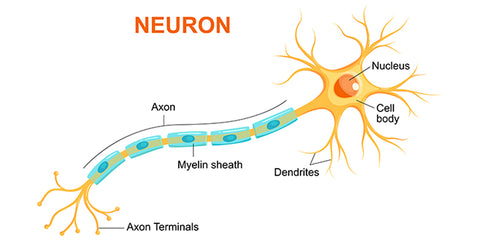
Most people in the scientific community now accept that the brain continues to repair itself and create new brain cells throughout life. The birth of new neurons in the brain is referred to as neurogenesis. Nerve growth factor (NGF) is a group of small protein-like molecules called neurotrophins that are responsible for neurogenesis or the development of new neurons and for the health and maintenance of mature ones.
