


Education

Ready or not, daylight savings time is just around the corner! The disruption to your sleep schedule can create a feeling similar to jet lag. Sleep experts say that time changes in the fall and spring inevitably alter people’s schedules and it can take the body up to an entire week or more to adjust. During this adjustment period, falling asleep earlier and/or waking up later is harder to do. Luckily, we have a few tricks to help you regulate and minimize the impact of drowsiness and sleepiness. Keep reading to uncover these 4 easy to-do tips.

In today's technology-driven world, our increasing dependence on digital devices poses a threat known as "digital amnesia." As we rely more on technology to remember information like phone numbers and directions, our memory capabilities can suffer. This article explores the impact of technology on memory and provides five practical tips to boost your cognitive abilities and combat digital amnesia.

For men and women, nutritional requirements change throughout your life. Whether you’re a young adult trying to maintain optimal health or in your 80s trying to prevent degenerative conditions, it is crucial to consider your specific nutritional needs.

In our fast-paced and demanding lives, it's no surprise that many of us find ourselves struggling with low energy levels. While reaching for that extra cup of coffee may provide a temporary boost, it's important to explore natural alternatives that can provide sustained energy throughout the day.

Did you know that the practice of yoga dates back over 2,000 years to ancient India, with a focus on the unification of the mind, body, and spirit through the practice of physical movements, meditation, and breathing exercises?

Summer is a great time to engage in activities that can benefit your brain health. There are many different activities you can do, such as hiking, swimming, playing outdoor games, and more. These activities can help improve your memory, cognitive function, and immune response, and even help balance your mood!

In the digital era, our lives are interwoven with technology, making it an indispensable part of our daily routines. While this connectivity has undoubtedly enriched our lives, it has also brought along an array of distractions that can hinder our ability to stay focused. In this article, we will explore the impacts of digital distractions on cognitive function, mood balance, stress levels, and sleep habits, as well as practical tips to help you regain and maintain focus amidst all the digital noise.

B vitamins are a group of water-soluble vitamins that are considered “essential,” meaning we must get them from our diets because our bodies cannot make them on their own. According to the Harvard School of Public Health, few adults currently gets the recommended daily intake of B vitamins from their diets alone. B vitamins are most valued for their ability to help turn other nutrients into energy, maintain a healthy metabolism, and for supporting nerve function, liver function, skin health, eye and brain health. In this article, we will dive into all eight forms of B Vitamins, their function and benefits, plus explore some of the ways you can get more B vitamins through your diet and supplementation.

Pine bark is a natural extract originating from the bark of pine trees that grow along the coast of France. Numerous research studies have been conducted on this super antioxidant during the past forty years showing encouraging health benefits for the brain and body.
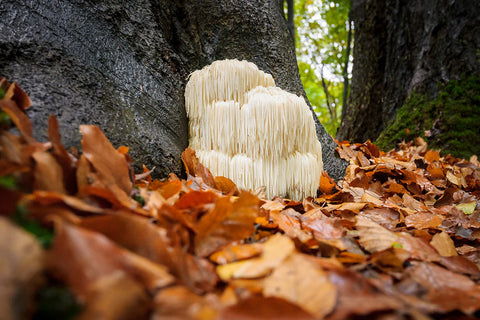
Lion’s Mane, also known as Hericium erinaceus, is an ancient mushroom with numerous health benefits. Research shows that compounds in Lion’s Mane can support nerve tissue health, promote nerve growth, and counter oxidative stress on the brain. Lion’s Mane can also support mood and sleep by regulating emotions and advancing the sleep-wake cycle. Consuming Lion’s Mane can decrease anxiety and improve brain function.

Derived from the Crocus sativus flower, saffron is renowned for its vibrant color, distinct...
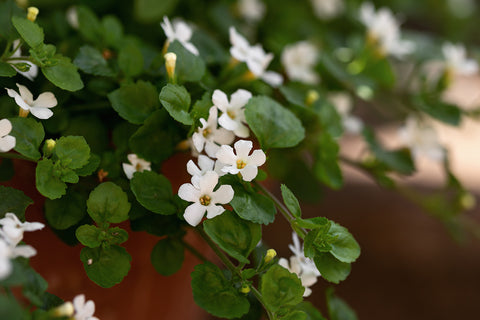
Bacopa is a nootropic herb commonly used in traditional Indian Ayurvedic medicine, mainly to support cognitive function. Bacopa is also known as Brahmi, thyme-leaved gratiola, water hyssop, and by its botanical name Bacopa monnieri. The plant grows in the wetlands of India, Europe, Australia, Africa and the Americas. The herpestis monniera plant thrives in wet environments, including swamps and hydroponic gardens or aquariums. It’s characterized by succulent leaves and small white flowers that have four or five petals.
