


Education

Lack of libido is more common in women than men, but it significantly affects both sexes. In fact, research shows that 32 percent of women and 15 percent of men lack the desire to have sex regularly. Whether you’re on the lower or higher end of the age spectrum, a low libido can strike at any year of your life for a whole variety of reasons, including low testosterone, depressive episodes, stress, relationship issues, sexual dysfunction, prescription medications, being overweight, too little or too much exercise, drug or alcohol use. Naturally, many people wonder how to increase libido.

As you probably know, changes in cognition (memory, information processing, etc…) are strongly correlated to aging. Aging well is driven in part by genetics but also by how well we look after our brain and body. So why do some people stay cognitively sharp throughout their life while others don’t? To answer this question, we’ve evaluated people who remain active physically and mentally and looked at the science of aging.

As the Thanksgiving holiday approaches, we are often reminded to take a step back to appreciate the little things we often take for granted in our lives. Outside of the "Thanksgiving season," could having an optimistic, positive attitude help keep you healthy? There’s some evidence that it might. Several studies suggest that having an optimistic attitude - the general feeling that good things will happen - may be connected with health benefits, such as; improved cholesterol levels, a boost in your immune response, and a lower risk of death from serious health conditions. What’s more, research suggests that there are things you can do - even if you’re not so much of a positive person - to help improve your attitude and outlook.

Your liver and kidneys might normally get all the credit when it comes to detoxification, but did you know that your body also has another extensive system in place that helps detoxify your brain? If you’re wondering what a “brain detox” is all about" or “how can I clean my brain?” – you’ve come to the right place.

If you find yourself constantly feeling fatigued, distracted, moody and just plain “off,” you’re likely dealing with some sort of “brain fog.” Brain fog has become an unwanted side effect of our fast-paced, industrialized lifestyle and more recently, COVID-19 survivors.

The general health benefits of a plant-based diet are well-documented but did you know that scientific research now shows that plants can have beneficial effects on your brain function? Many leaves, roots, and berries contain ingredients that boost cognitive skills and alleviate common problems like stress, fatigue, and mood swings - without the side effects of conventional drugs.

Intermittent fasting has been around for hundreds of years. From a neuroscience perspective, caloric restriction and intermittent fasting can have significant positive effects on both the brain and body. A recent article in the New England Journal of Medicine states that intermittent fasting can have broad-spectrum benefits for many health conditions such as obesity, and heart and neurologic issues.

We all want to age well. Regular exercise, eating right, and avoiding stress help maintain a healthy body as we age, but what about the brain? New research indicates these same strategies also promote brain health.

The sugary, high-fat foods we often crave when we are stressed or down, as comforting as they are, may be the least likely to benefit our mental health. As people across the world grapple with higher stress levels and anxiety, many turn to their favorite comfort foods: ice cream, pastries, pizza and chips. But studies in recent years suggest that the unhealthy foods we often crave when we are stressed or down, as comforting as they may seem, are the least likely to benefit our mental health.

Unfortunately, many people don’t have access to fresh fruits and vegetables or simply don’t have the time to prepare a meal. You can always buy a prepared juice or smoothie at a local grocery store but these products are often filled with sugar or other ingredients that are not healthy - especially for your brain!
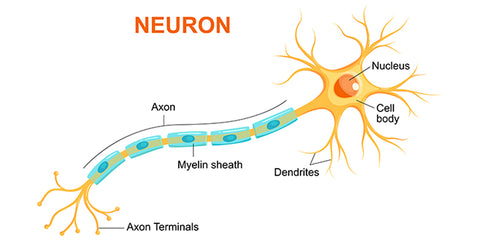
Most people in the scientific community now accept that the brain continues to repair itself and create new brain cells throughout life. The birth of new neurons in the brain is referred to as neurogenesis. Nerve growth factor (NGF) is a group of small protein-like molecules called neurotrophins that are responsible for neurogenesis or the development of new neurons and for the health and maintenance of mature ones.

According to a new study in the NeuroImage scientific journal, exercise can freshen and renovate the white matter in our brains, potentially improving our ability to think and remember as we age. White matter, which connects and supports the cells in our brains, changes for the better as we become more physically active.
